
"coffee temperature"
46000 article(s) found

What is the method of low temperature water washing and fermentation? What are the advantages of frozen raw coffee beans? How to make a living
Professional coffee knowledge exchange more coffee bean information Please pay attention to the coffee workshop (Wechat official account cafe_style) A method for freezing coffee fruit at low temperature [technical field] relates to the technical field of coffee processing, in particular to a method for freezing coffee fruit at low temperature. [background technology] Coffee is grown in the tropical region between 24 degrees in Beiwei and 25 degrees in Nanwei.
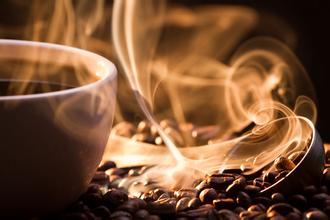
How to make a good espresso and what's the difference between the American way?
The higher the brewing temperature, the lower the acidity of the coffee, the higher the bitterness and the burnt taste, the lower the water temperature, the higher the acidity, and the lower the bitterness and the burnt taste, so the ideal water temperature should be adjusted according to different beans and recipes, such as a lower water temperature for deep roasting and a higher water temperature for shallow roasting. My favorite water temperature is 91 degrees. Most of the water temperature control
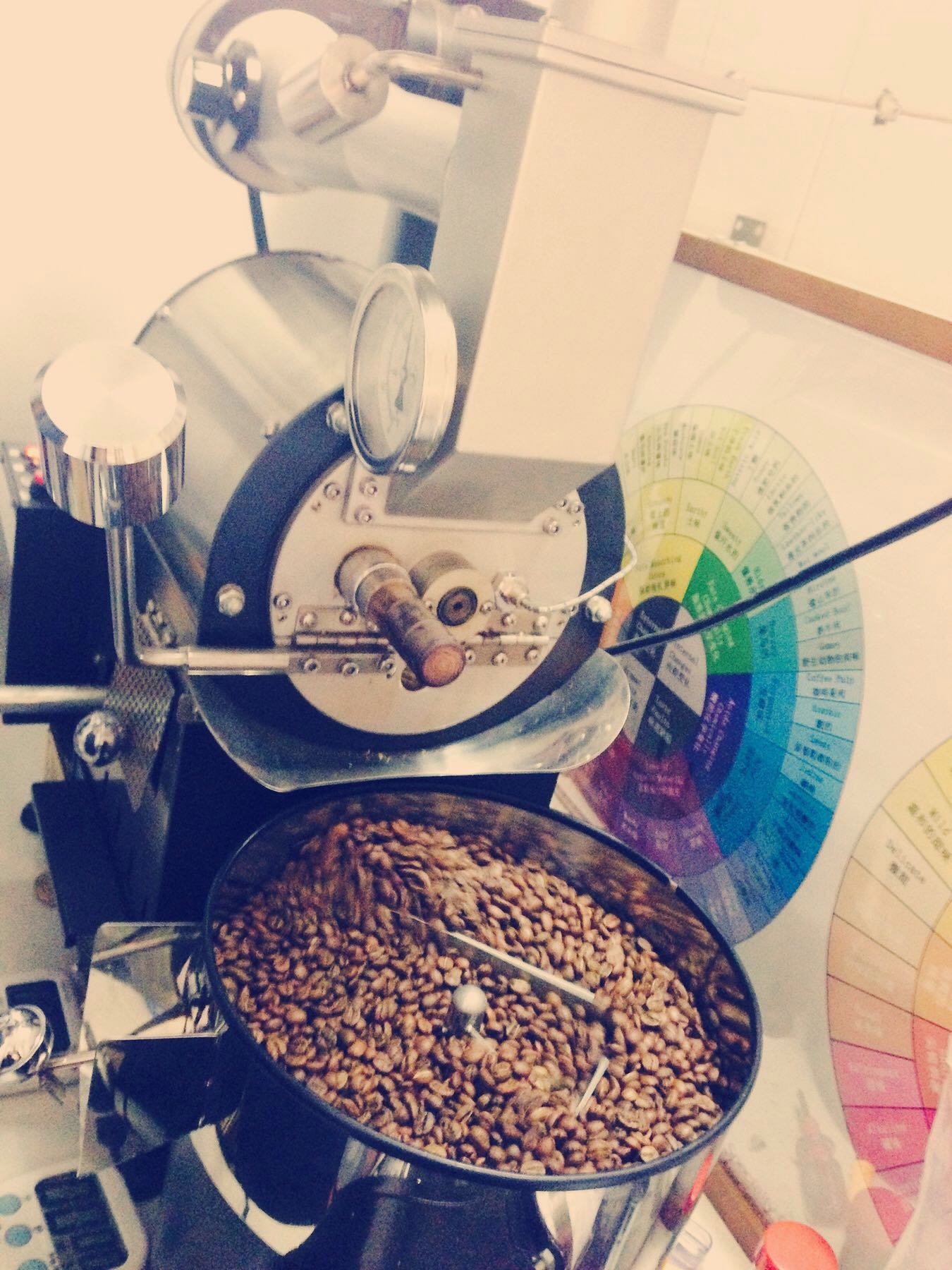
Key points of coffee roasting techniques: basic chemical reactions that take place during coffee roasting
Basic chemical reactions that occur during coffee roasting author: Carl Staub originates from the SCAA baking color classification system, developed by Agtron SCAA 1995 original text from: http://www.sweetmarias.com/roast.carlstaub.html translation: Grant, http://www.baristacn.com/forum/thread-1583-1-1.html in the roasting process

How does the sour and bitter in coffee come from?
Many thermal and chemical reactions take place during baking: decarbonation, dehydration of quinic acid, subdivision, isomerization, polymerization, and complex sugar reactions (caramelization).
What is the best water temperature for coffee extraction? the influence of water temperature on coffee brewing is a delicious factor.
Professional coffee knowledge exchange more coffee bean information please follow the coffee workshop (Wechat official account cafe_style) front street-hand brew coffee water temperature requirements brief introduction, whether Italian extraction or hand extraction, has its own temperature range to follow. As far as the extraction of hand-brewed coffee is concerned, an important factor that can not be ignored before the extraction water temperature is roasting and roasting of raw coffee beans.
Ember smart mug: keep the coffee at the best temperature for a longer time
Brewed coffee has a small bite that can bring it down to the desired temperature, but sometimes it gets cold quickly, especially when something else distracts you in the morning. California-based Ember Technologies has developed a coffee cup that claims to keep your drink at the right temperature for a long time, and users can set the temperature through the appropriate smartphone app or the bottom of the rotating cup.
Siphon pot coffee brewing process temperature control method
Siphon pot is used to experience the process of coffee brewing, not only has a certain ornamental, the most important, siphon pot is the most convenient to master the process of equipment, brewing coffee in the taste of the complex degree (Note 1) performance can reach the ideal level, is the taste of coffee must use equipment. Brewed coffee is all right, all by the brewer's own preferences. But the siphon pot is an open device,
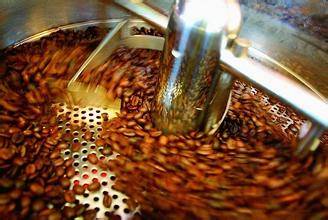
Coffee bean baking common sense science is quietly integrated into art
What people think is the most important sense of art and sensory judgment is gradually replaced by science and tools, in other words, the memories that people used to rely on in baking are gradually replaced by objective, collective data and charts. The evolution of baking described in the previous paragraph has been created by the invention of many tools and control instruments. The first is a very simple device that can
The basic chemical reaction that occurs during coffee roasting. The ingredients produced by the degree of coffee roasting.
Basic chemical reactions that occur during coffee roasting author: Carl Staub originates from the SCAA baking color classification system, developed by Agtron SCAA 1995 original text from: http://www.sweetmarias.com/roast.carlstaub.html translation: Grant, http://www.baristacn.com/forum/thread-1583-1-1.html in the roasting process
Basic chemical reactions that occur during coffee roasting
Many thermal and chemical reactions take place during baking: decarbonation, dehydration of quinic acid, fragmentation, isomerization, polymerization, and complex sugar reactions (caramelization). The main thermally reactive components are monosaccharides and sucrose, chlorogenic acid, displaced amino acids, and trigonelline amide. Both aravinone and calactose in polysaccharides are transferred, and basic sulfurization contains hydroxyamino acids.
Barista's tip (water temperature determines the quality of coffee) the temperature of making coffee affects the quality of coffee.
In order to ensure the best solubility of coffee, the water temperature of brewing coffee should be lower than the boiling point. If the water temperature is too high, the taste of coffee will become bitter, but if it is too low, the taste of coffee will become sour, lose its flavor and change.

Metal coffee beans with automatic temperature adjustment
Drinking coffee at the right temperature can best taste the perfect flavor of coffee, too hot wound, too cold will lose the flavor, while the temperature is always distressing with the weather. Now, according to the American popular Science report, American scientists have designed a metal coffee bean called "Joulie", which is made of temperature-changing materials and looks like coffee.
The effect of Common sense temperature on the Taste of Fine Coffee
People's tongues, noses, and receptors of different tastes have different receptivity at different temperatures. Sour things will be more peaceful at high temperatures (such as Hot Lemon Tea). If you drink some single coffee, which is mainly sour, you will find that the hot coffee is not sour when drinking, but feels very sour when it gets cold, that is, the decrease in temperature affects our.

How much is the water temperature of medium and deep roasted coffee beans? what is the water temperature of hand coffee in Blue Mountain?
For more information on coffee beans, please pay attention to the deep-deep roasting in the coffee workshop (Wechat official account cafe_style). The water temperature of hand-made coffee is usually 86-88 degrees Celsius. The ratio of water to powder is about 14 degrees Celsius and about 20 seconds. Take the [Jamaica Blue Mountains] as an example, it is planted on the slopes of Jamaica about 1310 meters. It is an ancient tin card variety, washed, peeled and fermented.
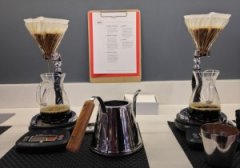
The influence of Coffee temperature change on Coffee making
In the process of learning to make coffee, we should not only learn the method of making coffee, but also master the temperature of coffee production and the grinding technology of coffee powder. Because the internal substances of coffee are more complex, if you make coffee a little carelessly, it will make the coffee very bad, so we should learn how to make a cup of coffee that tastes better and is more popular. When doing coffee tasting

Why did you choose 60 ℃ for latte foam? What is the foam temperature suitable for latte?
Yesterday we talked about the effect of temperature on milk bubbles, and found that even if the temperature of milk bubbles exceeds 70 ℃, even if not deliberately foaming, the bubbles will expand rapidly and continue to tumble, while if the temperature is too low, the bubbles will be thicker and defoaming faster; today, Qianjie Coffee would like to talk to you about how the taste of lattes will change when the foam temperature is different. Front street

How does temperature affect the flavor of coffee? How to interpret the factors affecting the quality of Coffee Flavor Wheel
In my opinion, this problem can not be solved by temperature, but temperature is indeed a part of the influence, and it is a part that can not be separated from others. Yes, the temperature of the water affects the extraction of coffee juice, but the reason why it is good or bad does not depend on the temperature of the water, but on the brewer's ignorance of coffee.
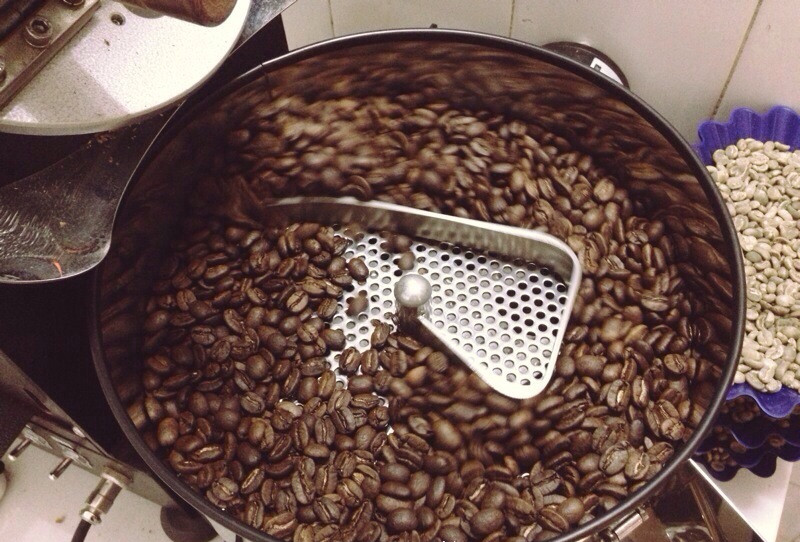
Basic chemical reactions of coffee beans during coffee roasting
Many thermal and chemical reactions take place during baking: decarbonation, dehydration of quinic acid, subdivision, isomerization, polymerization, and complex sugar reactions (caramelization). The main components of the thermal reaction are monosaccharides and sucrose, chlorogenic acid, free amino acids, and fenugreek amide. Both aravinose and calactose in the polysaccharides are transferred, and the basic vulcanization process includes hydroxylamine.
The basic chemical reaction of coffee roasting process
Many thermal and chemical reactions take place during baking: decarbonation, dehydration of quinic acid, subdivision, isomerization, polymerization, and complex sugar reactions (caramelization). The main components of the thermal reaction are monosaccharides and sucrose, chlorogenic acid, free amino acids, and fenugreek amide. Both aravinose and calactose in the polysaccharides are transferred, and the basic vulcanization contains hydroxylated amino acid.
The basic chemical reaction that takes place during coffee roasting.
Many thermal and chemical reactions take place during baking: decarbonation, dehydration of quinic acid, subdivision, isomerization, polymerization, and complex sugar reactions (caramelization). The main components of the thermal reaction are monosaccharides and sucrose, chlorogenic acid, free amino acids, and fenugreek amide. Both aravinose and calactose in the polysaccharides are transferred, and the basic vulcanization process includes hydroxylamine.